Navigating Ecuadorian Fideicomiso: Your Expat Property Purchase Guide
Unravel the complexities of Ecuador's Fideicomiso for expats. Understand legal requirements, costs, and essential steps for secure property acquisition in Cuenc
Navigating the Ecuadorian Trust (Fideicomiso): A Comprehensive Guide for Expats in Cuenca
The dream of owning property in the captivating city of Cuenca often intersects with a legal instrument known as the Fideicomiso, or property trust. For many foreigners, this is not an optional complexity but a required legal pathway for certain property acquisitions. As an Ecuadorian legal expert with extensive experience guiding expats through these transactions, I have seen firsthand how misunderstanding this structure can lead to costly errors. This guide demystifies the Fideicomiso, providing the authoritative detail needed to ensure your investment is secure, compliant, and successful.
What Exactly is a Fideicomiso in Ecuador?
A Fideicomiso is a legal contract, governed primarily by Ecuador's Código Orgánico Monetario y Financiero, where an individual or entity (the settlor or fideicomitente) transfers legal ownership of assets to an authorized trustee (fiduciario). This trustee—typically a specialized trust company or a major bank supervised by the Superintendencia de Bancos—manages these assets for the benefit of a designated third party (the beneficiary or beneficiario).
In a real estate context, you, the buyer, become the beneficiary. While the trustee holds the legal title registered at the Registro de la Propiedad (Property Registry), the trust contract grants you all the practical rights of ownership: the right to use, occupy, rent, sell, and pass the property to your heirs.
It is crucial to understand the two most common types you will encounter:
- Fideicomiso de Administración: This is used for existing, titled properties. The trustee simply holds and administers the title on your behalf.
- Fideicomiso Mercantil Inmobiliario: This is predominantly used by developers for new, off-plan construction projects. In this scenario, you are initially purchasing derechos fiduciarios (fiduciary rights) which represent your stake in the project. These rights only convert into a direct beneficial interest in a specific unit once the project is completed and individual property titles (declaratoria de propiedad horizontal) are issued. Confusing these two is a common and significant error.
Why Are Fideicomisos Used in Ecuador?
The use of trusts is driven by regulation, security, and project management needs.
- Regulatory Compliance for Foreigners: The primary reason most expats encounter a Fideicomiso is due to restrictions on foreign ownership in designated "areas of national security." According to the Ley Orgánica de Movilidad Humana (Article 18) and related regulations, this includes land within 50 kilometers of international borders and 20 kilometers from the coastline. The Fideicomiso provides the legally sanctioned structure for foreigners to hold property in these zones.
- Developer Project Management: For new condominium towers or gated communities, developers use a Fideicomiso Inmobiliario to manage funds, guarantees, and the complex process of transferring titles to hundreds of buyers upon project completion. This structure provides transparency and security for both the developer and the buyers' investments.
- Asset Protection & Estate Planning: For high-net-worth individuals, trusts offer a sophisticated tool for asset protection from creditors and can serve as a substitute for a will, allowing for a more streamlined and private transfer of assets to heirs, bypassing the often lengthy judicial probate process.
The Advantages of a Properly Structured Fideicomiso
- Legal Access to Restricted Properties: It is the only compliant method for foreigners to acquire property in desirable coastal and border areas.
- Professional Title Management: The legal title is held by a highly regulated financial institution, which mitigates risks associated with title fraud or disputes.
- Streamlined Asset Transfer: Selling the property involves transferring the beneficiary rights within the existing trust, which can be administratively simpler and faster than a traditional property sale.
- Enhanced Estate Planning: The trust contract can name successor beneficiaries, allowing the property to pass directly to your heirs outside of the court-administered probate system, saving time and expense.
The Potential Downsides and Financial Realities
A Fideicomiso is not without its costs and complexities, which must be factored into your budget.
- Associated Fees: Expect to pay an initial setup fee, which can range from $500 to over $1,500. More importantly, there is an annual administration fee paid to the trustee. This fee typically ranges from $300 to $800 per year, depending on the value of the property and the complexity of the trust. These costs are in addition to all standard closing costs.
- Administrative Layers: All major decisions, such as selling the property or making significant alterations, legally require the trustee's signature and involvement, which can add an administrative step to the process.
- Contractual Complexity: The Contrato de Fideicomiso is a dense legal document. Without expert review, you may agree to unfavorable terms regarding trustee liability, fee structures, or termination clauses.
- Trustee Dependency: While rare, issues with the trustee's administrative efficiency can cause delays. Choosing a trustee with a strong reputation for customer service is paramount.
Essential Legal Steps & Documents for a Fideicomiso Purchase
The process demands meticulous legal oversight. Here is the professional standard we follow:
- Engage Independent Counsel: Your first step must be to hire your own Ecuadorian attorney who specializes in real estate law, not one recommended by the seller or developer.
- Thorough Due Diligence: Your attorney must perform a comprehensive title search. This is not a mere formality. They will obtain an updated Certificado de Gravámenes from the Registro de la Propiedad. This official certificate is the definitive proof of ownership and reveals any existing liens, mortgages, or legal disputes attached to the property.
- Municipal Verification: We verify the property's status with the Cuenca municipality. A hyper-specific pitfall in Cuenca: The código catastral (municipal property ID number) on the deed and in the municipal records must match perfectly. Even a minor discrepancy can halt the registration process at the Registro de la Propiedad for weeks or months until a formal rectification is made.
- Meticulous Contract Review: Your lawyer will scrutinize both the Promesa de Compraventa (Purchase and Sale Agreement) and the Contrato de Fideicomiso itself. This is where we ensure your rights as beneficiary are robust and unambiguous.
- Execution of Public Deed (Escritura Pública): The final transfer is formalized in an Escritura Pública. This is drafted by your attorney in a document called a Minuta, which is then taken to a Notario Público (Notary Public). The Notary, a specialized lawyer acting as a public official, elevates the private agreement into a public instrument, verifies the identity of the parties, and witnesses the signing.
- Payment of Taxes and Fees: You will be responsible for the Impuesto de Alcabala (a municipal transfer tax, typically around 1% of the sale price) and other registration fees. Notary fees are also significant and are set by a national fee schedule; for a property transaction, they can easily range from $500 to over $2,000, depending on the property value and complexity of the deed.
- Final Registration: The notarized Escritura Pública is submitted to the Registro de la Propiedad for final registration. Only upon successful registration is the transfer of your beneficiary rights legally perfected and enforceable against third parties.
Legal Checklist for Cuenca Expats
- [ ] Verify Trustee's Authorization: Confirm the trustee institution is authorized by the Superintendencia de Bancos.
- [ ] Obtain Independent Certificado de Gravámenes: Do not rely on a copy provided by the seller.
- [ ] Confirm Perfect Match of Código Catastral: A crucial step specific to avoiding delays in Cuenca.
- [ ] Review and Understand All Fees: Account for trustee setup fee, annual fees, notary costs, and taxes.
- [ ] Differentiate Trust Type: Are you buying into a Fideicomiso Inmobiliario (developer project) or a Fideicomiso de Administración (existing property)? Your rights and risks differ significantly.
- [ ] Engage Independent Legal Counsel: This is non-negotiable for a transaction of this magnitude.
- [ ] Clarify Successor Beneficiary Clause: Ensure your estate planning wishes are correctly reflected in the trust document.
- [ ] Retain Certified Copies: Keep notarized copies of all final, registered documents.
⚠️ Legal Red Flags: When to Halt the Process Immediately
Stop and consult your attorney if you encounter any of the following:
- Pressure to use the seller's or developer's "trusted" attorney. This presents a clear conflict of interest.
- Hesitation to provide documents for due diligence, especially an updated Certificado de Gravámenes.
- The Contrato de Fideicomiso is presented as a non-negotiable, standard form. Key clauses, especially those regarding your rights, can and should be reviewed and potentially amended.
- Requests for large cash payments or payments to personal accounts instead of the official trust account.
- Discrepancies between the property description in the marketing materials and the legal description in the Minuta or title documents.
The Fideicomiso is a powerful and secure legal tool when structured and executed correctly. With rigorous due diligence and expert legal guidance, it becomes the foundation of your successful property investment in Ecuador.
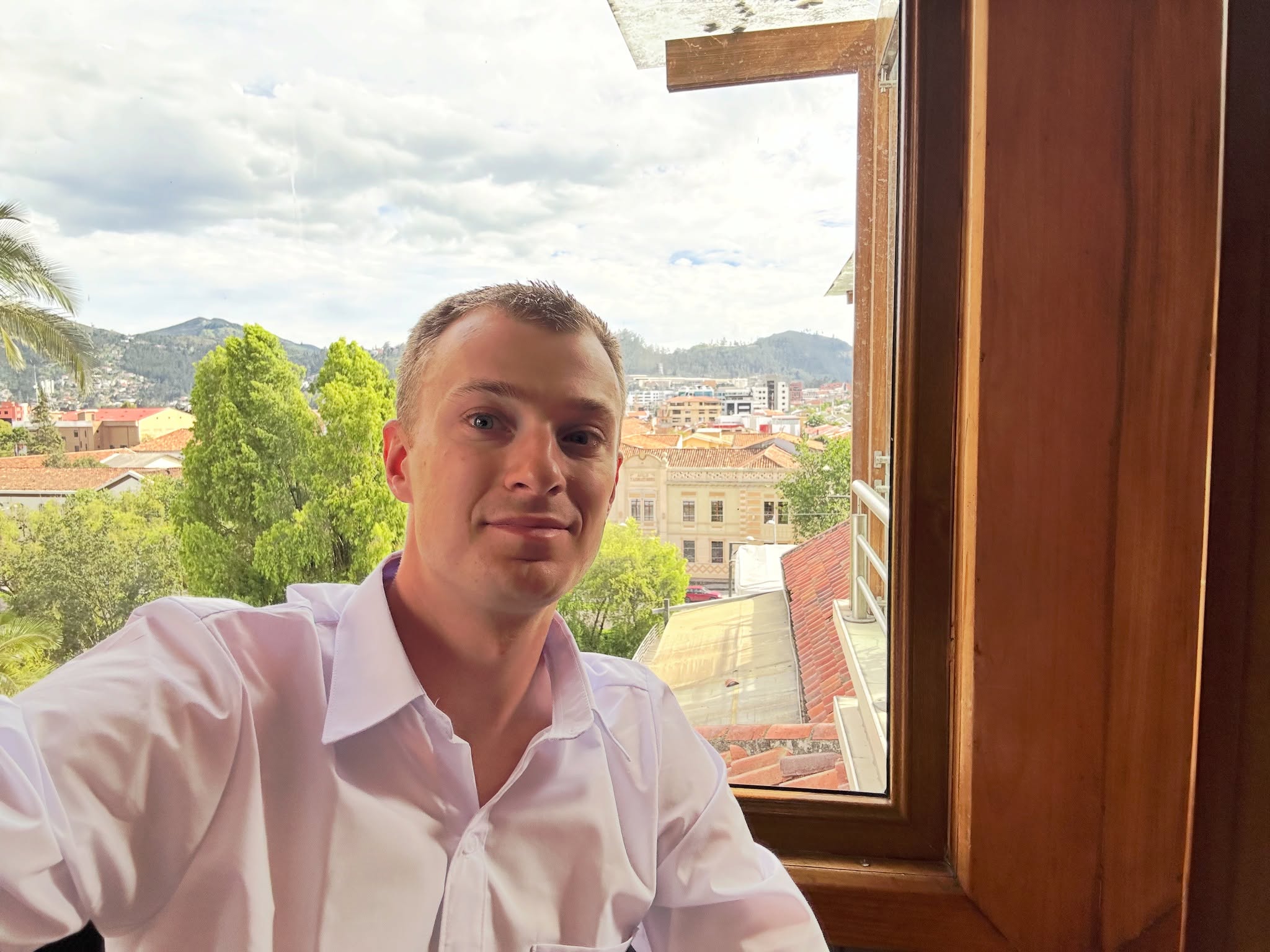
About the Author
Chip Moreno — American Expat in Cuenca, Ecuador
Chip is the founder of EcuaPass (Ecuador visa services), FileAbroad (U.S. taxes for expats), EcuaInsure (health insurance), EcuadorTranslations, and CuencaExpat (daily news). He holds a B.S. in Computer Science from WGU, obtained his Ecuador Professional Visa in 2025, and is pursuing the IRS Enrolled Agent credential and an Ecuadorian insurance broker license.