Cuenca Expats: Your Essential Checklist for an Ecuadorian Estate Planning Consultation
Navigate Ecuadorian estate planning with this expert checklist for Cuenca expats. Understand forced heirship, wills (Testamento), and asset inventory for a smoo
Preparing for Your First Estate Planning Consultation: An Essential Checklist for Cuenca Expats
Navigating the legal landscape of Ecuador can be a complex endeavor for foreign residents. For expats who have chosen Cuenca as their home, securing a legacy through diligent estate planning is not just prudent—it is essential. As you build your life here, it is crucial to ensure that your assets are protected and your wishes are legally enforceable under Ecuadorian law.
A consultation with a qualified Ecuadorian estate planning attorney is the most critical step. A productive first meeting, however, depends entirely on your preparation. This checklist is designed by legal professionals with direct experience in Cuenca to demystify the process, empower you with the necessary information, and ensure you maximize the value of your legal counsel's time.
Why Estate Planning is Critical for Expats in Ecuador
Before diving into the checklist, it is vital to understand the legal framework you are operating within. Unlike the common law systems of the U.S. or Canada, Ecuador operates under a civil law tradition derived from the Napoleonic Code. This has profound implications for inheritance. Without a properly executed Ecuadorian will (Testamento), your estate will be subject to:
- Forced Heirship (Legitimarios): This is perhaps the most significant departure from common law. Article 1021 of the Ecuadorian Código Civil establishes "forced heirs" (children, and in their absence, parents). These individuals are legally entitled to a fixed portion of your estate, regardless of what a foreign will might state. An Ecuadorian will must be structured around these mandatory provisions.
- Intestate Succession (Sucesión Intestada): In the absence of a valid will, the Código Civil dictates a rigid order of inheritance. This legal default will almost certainly not align with your specific wishes and can lead to unintended beneficiaries inheriting your assets.
- The Exequatur Hurdle for Foreign Wills: A common and costly mistake is relying solely on a will from your home country. For a foreign will to be recognized for your Ecuadorian assets, it must undergo an exequatur—a lengthy and expensive judicial process in the Ecuadorian courts to validate a foreign legal document. This can take years and cost thousands, causing immense stress for your heirs.
- Inheritance Tax (Impuesto a la Herencia): While Ecuador's inheritance tax is more favorable than many Western countries, it is administered by the SRI (Servicio de Rentas Internas). Proper planning can structure your estate to legally minimize this tax burden on your beneficiaries. For 2024, the tax-free base amount is $76,965; estates valued above this are subject to a progressive tax.
A well-crafted Ecuadorian Testamento ensures your wishes are clearly articulated and legally binding, providing peace of mind for you and a streamlined process for your family.
Your Pre-Consultation Checklist: Gathering Essential Information
The more prepared you are, the more effectively your attorney can advise you. This is a collaborative effort; your detailed information is the foundation of a sound legal strategy.
1. Personal Identification and Family Details
- Your Full Legal Name, Passport Number, and Ecuadorian Cédula: Bring physical copies of these documents.
- Full Names, Dates of Birth, and Relationship to You of Your Spouse/Partner: Include their Cédula or passport numbers.
- Full Names, Dates of Birth, and Current Addresses of Your Children: Specify if they are biological or adopted.
- Full Names and Contact Information of Other Potential Beneficiaries: This includes friends, step-children, or charitable organizations.
- Guardianship Designations: If you have minor children, identify who you would appoint as their legal guardian (tutor) in Ecuador. Name a primary and an alternate.
2. Comprehensive Inventory of Your Assets and Liabilities
Provide a clear snapshot of your financial standing, both inside and outside Ecuador.
- Real Estate:
- Properties in Ecuador: Bring copies of the escrituras públicas (public deeds). Note the property registration number (número de catastro), the municipality, and a realistic current market value. List any outstanding mortgage balances.
- Properties Abroad: List the location, type of property, estimated value, and mortgage details. This is crucial for understanding the global scope of your estate.
- Financial Accounts:
- Bank Accounts & CDs in Ecuador: Bank name, account type (ahorros or corriente), and approximate balance.
- Investments in Ecuador: Details of any holdings in Ecuadorian brokerage accounts.
- Foreign Financial Accounts: Provide similar details for accounts held outside Ecuador. U.S. citizens should note any accounts that require FBAR reporting.
- Vehicles:
- Bring the matrícula (vehicle registration) for any cars, motorcycles, or boats. Note the make, model, year, and estimated value.
- Personal Property of Significant Value:
- List any valuable art, jewelry, or collectibles. While not always itemized in a will, their value contributes to the total estate valuation for tax purposes.
- Business Interests:
- Details of any ownership in an Ecuadorian or foreign company (compañía), including your percentage of ownership and an estimated value.
- Debts and Liabilities:
- A clear list of mortgages, personal loans, and any other significant financial obligations.
3. Your Wishes and Specific Instructions
This is where you articulate your intent.
- Desired Distribution of Assets: How do you wish to divide the "disposable" portion of your estate (the part not reserved for forced heirs)? Be specific. For example, "I want my beachfront property in Olón to go to my friend, John Doe," or "I want my remaining bank assets divided equally between my two nephews."
- Nominated Executor (Albacea): Who do you trust to administer your estate? This person is legally responsible for executing your will. You should name a primary and at least one alternate. A key local tip: The Albacea should ideally be an Ecuadorian resident, or at least someone who can easily travel and operate within the country, to avoid logistical nightmares.
- Specific Bequests (Legados): Do you want to leave a particular item or sum of money to a specific person or organization?
- Digital Assets: Discuss your wishes for online accounts, social media profiles, and cryptocurrency.
- Pet Care: Name a caretaker for your pets and consider setting aside a fund for their care.
- Funeral Wishes: While often handled in a separate document, you can include preferences for burial, cremation, or repatriation.
4. Existing Legal Documents
Bring originals or copies of any relevant documents.
- Previous Wills: From any country.
- Power of Attorney Documents: Especially a Poder General or Poder Especial executed in Ecuador.
- Marriage Certificates (Acta de Matrimonio), Divorce Decrees, or Prenuptial Agreements.
- Birth Certificates of Children.
- Property Deeds (Escrituras).
During Your Consultation: Key Questions for Your Attorney
An effective consultation is a two-way conversation.
- Fees and Billing: Request a clear, written explanation of their fee structure. Is it a flat fee for the estate plan or an hourly rate?
- Types of Wills: Ask about the difference between a testamento solemne abierto (open will, read aloud and registered before a notary) and a testamento cerrado (sealed will). The open will is overwhelmingly recommended for its clarity and ease of execution.
- The Notary Process: What are the exact steps? An open will in Ecuador must be signed before a Notario Público and three competent witnesses (testigos hábiles) who cannot be related to you or be beneficiaries. The approximate cost for notarization is typically between $250 and $400.
- Powers of Attorney: Discuss creating a durable Power of Attorney (Poder General) to manage your affairs if you become incapacitated. This is a vital component of a complete estate plan.
- Probate Process (Posesión Efectiva): Ask the attorney to outline the steps your heirs will need to take to settle the estate, even with a will.
- Updating Your Will: How do you amend the will (revocatoria or reforma) if your life circumstances change?
⚠️ Legal Alert: When to Stop and Immediately Consult an Attorney
Do not delay seeking legal counsel if:
- You have a blended family: Second marriages with children from previous relationships introduce complexities that require expert navigation to comply with forced heirship laws.
- You intend to disinherit a forced heir: While extremely difficult, there are very narrow legal grounds (desheredamiento) for this, which must be handled by an experienced litigator.
- You own a business or agricultural property in Ecuador: Succession planning for these assets requires specialized legal and financial structuring.
- You are a non-resident who owns property in Ecuador: The legal and tax implications are different for non-residents, and a specialized plan is mandatory.
- Your residency status is unclear or in process: Your legal status under the Ley Orgánica de Movilidad Humana (LOMH) is a foundational element of your estate plan. The old visa categories (e.g., 9-I Pensionado) are obsolete; ensure your attorney is working with your current temporary or permanent residency status.
Conclusion
Taking the time to thoroughly prepare for your first estate planning consultation is the most powerful step you can take to protect your assets, provide for your loved ones, and ensure your legacy in Ecuador is honored. By gathering these documents and thinking through these critical questions, you transform your initial meeting from a simple introduction into a highly productive strategic session, saving you time, money, and providing invaluable peace of mind.
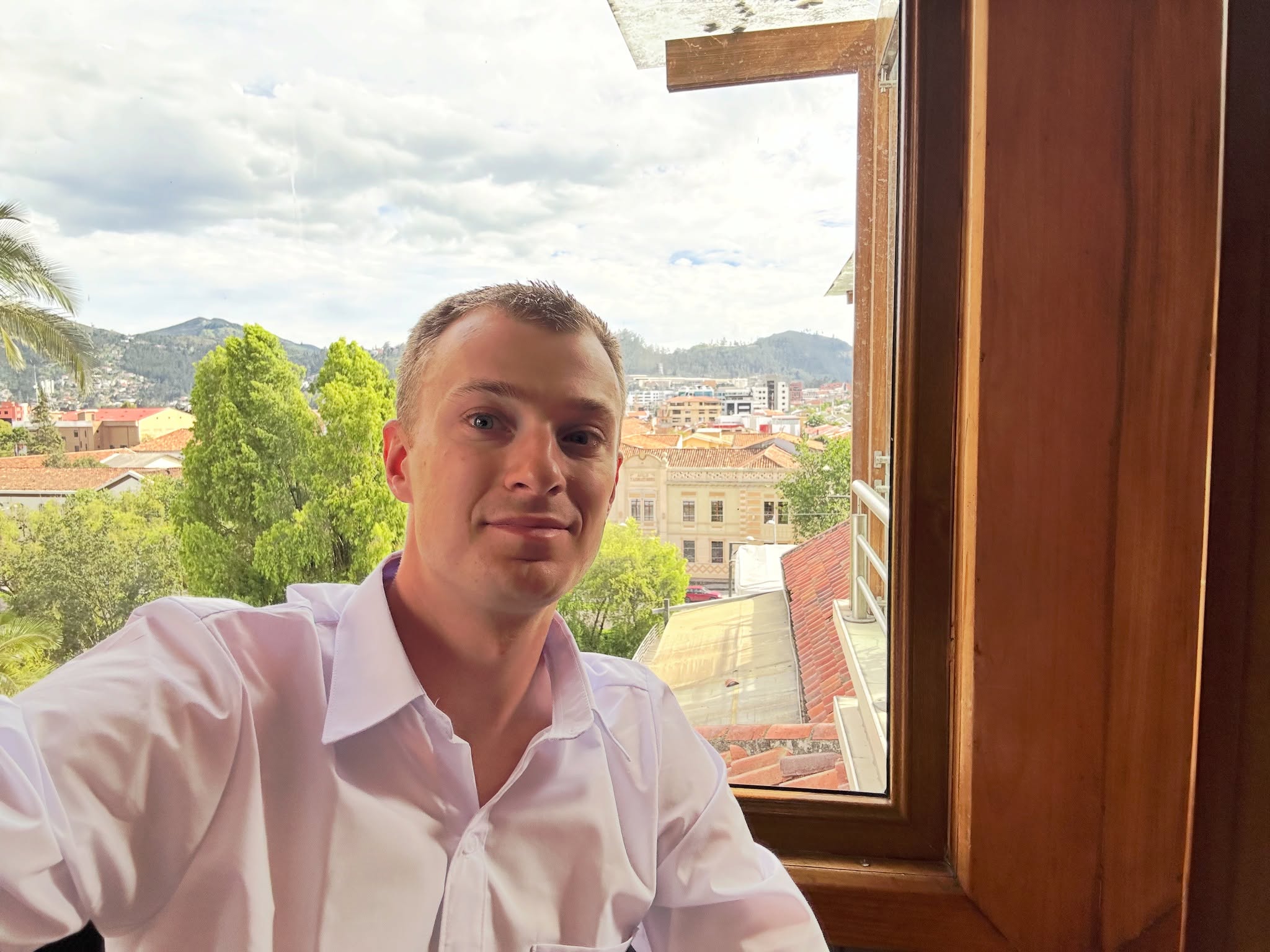
About the Author
Chip Moreno — American Expat in Cuenca, Ecuador
Chip is the founder of EcuaPass (Ecuador visa services), FileAbroad (U.S. taxes for expats), EcuaInsure (health insurance), EcuadorTranslations, and CuencaExpat (daily news). He holds a B.S. in Computer Science from WGU, obtained his Ecuador Professional Visa in 2025, and is pursuing the IRS Enrolled Agent credential and an Ecuadorian insurance broker license.