Ecuador Executor Liabilities: Your Guide to Albacea Duties & Posesión Efectiva
Understand your legal liabilities as an executor (albacea) in Ecuador. Learn about Posesión Efectiva, Código Civil duties, SRI tax deadlines, and avoid costly m
The Executor's Burden: Understanding Your Legal Liabilities in Ecuador
Navigating the complexities of estate administration in a foreign country can be daunting, especially when you’ve been entrusted with the significant responsibility of being an executor. In Ecuador, the role of an executor, or albacea, is not merely ceremonial; it carries substantial legal weight and personal liabilities. As an attorney with extensive experience handling expat estates here in Cuenca, I've seen firsthand the unique challenges and costly mistakes that can arise. This article demystifies the legal obligations and potential pitfalls, providing you with the actionable, expert-level clarity needed to fulfill your duties compliantly.
Defining the Executor's Role in Ecuador: The Albacea and Posesión Efectiva
In Spanish, the executor is the albacea. This is the individual appointed by the testator (the person making the will) or by a judge to manage and distribute the deceased's estate. The legal framework is primarily found in the Civil Code (Código Civil), specifically in Libro Tercero (Book Three) concerning successions.
However, the practical first step for any executor or heir is to obtain the Posesión Efectiva. This is the legal instrument that formally recognizes the heirs and grants the executor the authority to act on behalf of the estate. It's a non-judicial process typically handled at a Notaría (notary's office) through a declaración juramentada (sworn statement). Without this document, banks, the property registry, and other institutions will not recognize your authority.
Key Legal Liabilities of an Albacea in Ecuador
The liabilities of an executor stem directly from their fiduciary duty to act in the best interests of the estate and its beneficiaries. Failure to do so can result in personal financial liability. Here are the primary areas of concern:
1. Duty to Preserve Estate Assets
The most critical responsibility is to safeguard the deceased's property from the moment of death until distribution.
- Inventory and Appraisal: The executor must compile a solemn inventory (inventario solemne) of all assets and debts, as mandated by Artículo 1275 of the Código Civil. This isn't just a simple list; for most estates, especially those involving real estate or when heirs are not in agreement, it is a formal process conducted with court-appointed experts (peritos). A common mistake is creating an informal list, which can be legally challenged, making the executor liable for any omissions.
- Diligence in Administration: Artículo 1292 of the Código Civil holds the executor to a standard of "due care" (culpa leve), meaning they are liable for even slight negligence in managing the estate's assets—securing property, maintaining insurance, and managing financial accounts.
2. Duty to Settle Debts and Obligations
The executor is responsible for identifying and paying all legitimate debts and taxes owed by the deceased.
- Creditor Notification: Executors must publish notices in a major local newspaper for three consecutive days, as required by Artículo 1284 of the Código Civil, calling on creditors to present their claims. Simply paying known debts is insufficient and can open the executor to liability from unnotified creditors.
- Inheritance Tax Declaration (A Critical Deadline): This is a major pitfall for expats. The executor MUST file the Inheritance Tax Declaration (Declaración del Impuesto a la Herencia) with the Ecuadorian Internal Revenue Service (Servicio de Rentas Internas or SRI) using Formulario 108. This must be done within six months of the date of death, even if the estate's value is below the taxable threshold and no tax is due. Missing this deadline results in automatic fines and interest, for which the executor can be held personally responsible.
- Prioritization of Debts: Ecuadorian law establishes a strict hierarchy for debt payment. Tax liabilities to the SRI, social security payments to the IESS, and employee wages take precedence. Paying a family loan before a tax debt is a breach of duty that can result in personal liability for the unpaid priority debt.
3. Duty to Distribute the Estate
Once debts and taxes are settled, the executor must distribute the net assets.
- Strict Adherence to the Will or Law: The executor must follow the will's instructions precisely. If there is no will (sucesión intestada), distribution must adhere to the order of succession outlined in Artículo 1023 of the Código Civil (children, spouse, parents, etc.). Any deviation without the unanimous written consent of all heirs or a court order is a breach of duty.
- The Executor's Term (Plazo del Albaceazgo): A detail many overlook is that an executor's appointment is not indefinite. Artículo 1283 of the Código Civil grants the executor a default term of one year to complete their duties. If the estate is complex, the executor must petition the court for an extension before this term expires. Acting after the term has expired can render their actions invalid.
4. Duty to Account (Rendir Cuentas)
Executors must keep meticulous records. Beneficiaries have the legal right to demand a formal accounting of the estate's administration, as stipulated in Artículo 1290 of the Código Civil. This includes all income, expenses, and distributions, supported by receipts and bank statements. Poor record-keeping is a common basis for legal action against an executor.
Hyper-Specific Expat Pitfalls in Cuenca
- The Wrong Death Certificate: When a loved one passes, the Registro Civil in Cuenca (on Avenida Remigio Crespo Toral) issues a basic death certificate (acta de defunción). For legal proceedings like the Posesión Efectiva, you need the more detailed certified copy called the "inscripción de defunción," which costs approximately $6. Showing up at the Notaría with the wrong document is a common cause of delay.
- Frozen Bank Accounts: Banks like Banco Pichincha or Banco Guayaquil will freeze a decedent's accounts immediately upon being notified of the death. You cannot simply present a will to gain access. The bank will require, at minimum, the notarized Posesión Efectiva and proof that the inheritance tax has been declared with the SRI. This process can take months, and executors must plan for estate expenses to be paid from other sources in the interim.
- Notary Fees for Posesión Efectiva: This is not a trivial expense. The cost for a notary in Cuenca to process the Posesión Efectiva is not based on the estate's value but is a fixed fee set by the Consejo de la Judicatura. For a standard estate, this fee is currently $468.80 (as of 2024) plus incidentals. Budgeting for this upfront is essential.
⚠️ Legal Alert: When to Stop and Consult an Attorney Immediately
You must stop and consult with an experienced Ecuadorian attorney if:
- The will's validity is questioned, or it was executed in a foreign country.
- Beneficiaries are in conflict or live abroad.
- The estate includes a business, agricultural land, or unrecorded assets.
- You discover significant debts or potential lawsuits against the deceased.
- The deceased was a member of an indigenous community, as different inheritance rules may apply.
- You are not fluent in legal Spanish. Relying on unofficial translations is a recipe for disaster.
Conclusion: Diligence is Your Best Defense
Serving as an albacea is an act of trust, but in Ecuador, it is a legally defined role with serious responsibilities. Understanding your duties under the Código Civil, meeting critical deadlines like the six-month SRI tax filing, and navigating the specific procedural steps like obtaining the Posesión Efectiva are non-negotiable. Proactive compliance and expert legal guidance are your best defense against personal liability and will ensure the deceased's final wishes are honored correctly and efficiently.
Ready to Secure Your Peace of Mind?
Navigating Ecuadorian estate law doesn't have to be a source of anxiety. As your dedicated legal consultant in Cuenca, I can guide you through every step, ensuring compliance and protecting your interests.
Schedule your initial consultation today to discuss your estate planning or executorship needs.
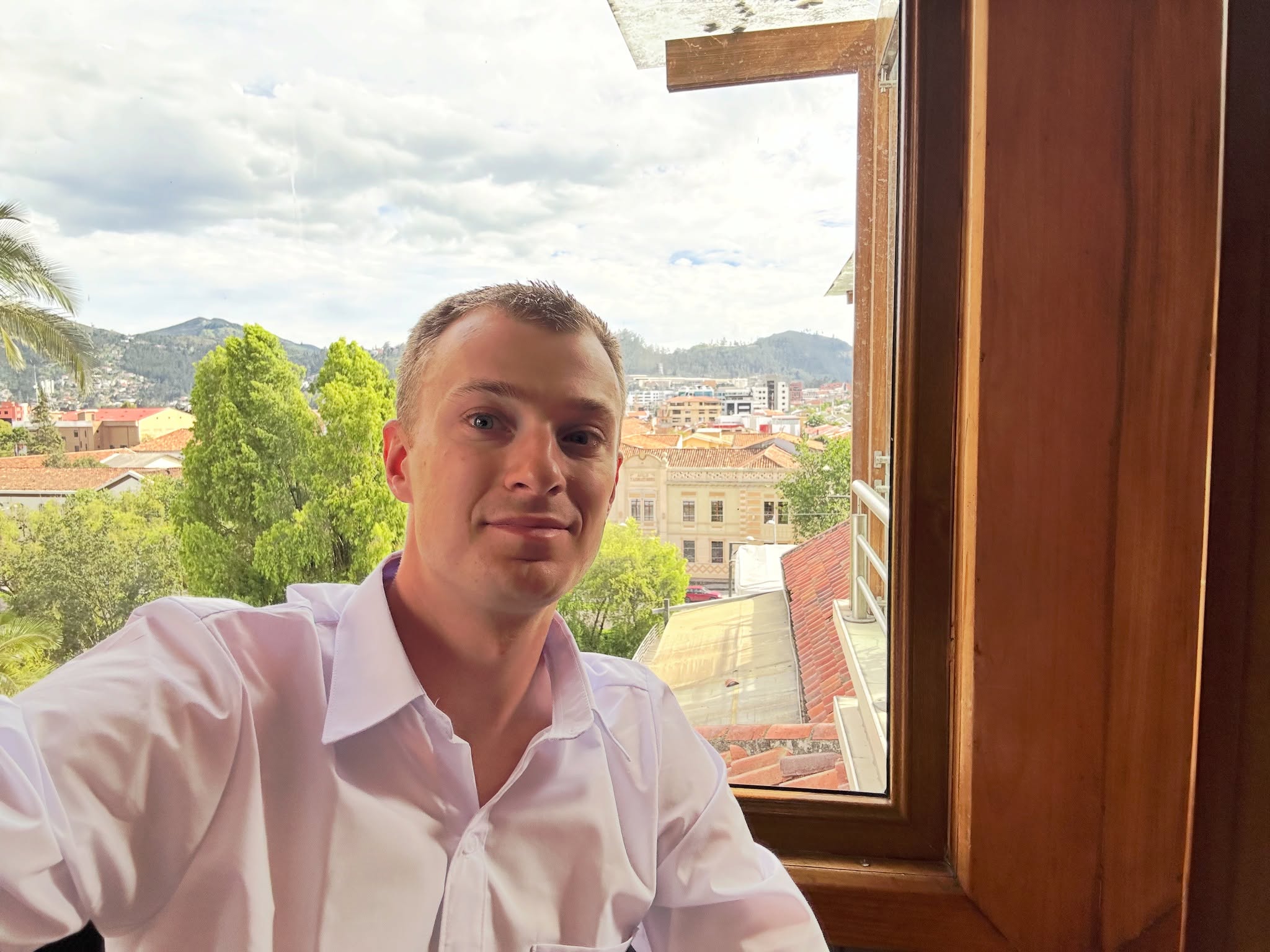
About the Author
Chip Moreno — American Expat in Cuenca, Ecuador
Chip is the founder of EcuaPass (Ecuador visa services), FileAbroad (U.S. taxes for expats), EcuaInsure (health insurance), EcuadorTranslations, and CuencaExpat (daily news). He holds a B.S. in Computer Science from WGU, obtained his Ecuador Professional Visa in 2025, and is pursuing the IRS Enrolled Agent credential and an Ecuadorian insurance broker license.