How to Get 'Posesión Efectiva' in Ecuador: A Complete Heir's Guide
Navigate Ecuador's 'Posesión Efectiva' probate process with confidence. Learn essential steps, required documents (including foreign ones), tax forms, and regis
The Probate Process ('Posesión Efectiva') in Ecuador: What Heirs Need to Know
The Posesión Efectiva is the formal legal act that recognizes heirs and grants them the right to possess, manage, and dispose of the assets belonging to the deceased (the causante). It is Ecuador's equivalent of probate, but with its own distinct procedures. Without this declaration, heirs cannot legally transfer property titles, access bank accounts, or liquidate other assets.
The Legal Framework: Key Articles and Laws
The foundation of inheritance law in Ecuador is Book III of the Código Civil (Civil Code), specifically starting from Artículo 993, which outlines succession. The Posesión Efectiva itself is governed by both the Civil Code and the Código Orgánico General de Procesos (COGEP) for procedural matters.
There are two distinct paths to obtain a Posesión Efectiva:
- Judicial Posesión Efectiva: This is the traditional court-based route. It is mandatory when there are disputes among heirs, when minor children (menores de edad) are involved, or when other legal complexities necessitate a judge's oversight. This path is more formal, time-consuming, and costly.
- Notarial Posesión Efectiva: Introduced to streamline the process, this is an administrative procedure conducted by a Notary Public (Notario Público). It is the preferred, and far more common, route when all heirs are of legal age, in complete agreement, and there are no conflicts. This is the most efficient option for most expat families.
The Notarial Posesión Efectiva: A Step-by-Step Guide
For most heirs, the notarial route is the most practical. The following is a detailed breakdown of the steps, incorporating crucial details often overlooked.
Step 1: Gathering Essential Documentation
Precision here is non-negotiable; a single missing or incorrect document will halt the entire process.
- Certificado de Defunción (Death Certificate): The original or certified copy from the Ecuadorian Civil Registry (Registro Civil). If the death occurred abroad, the certificate requires an Apostille (if from a Hague Convention country) or consular legalization, followed by an official translation into Spanish by a court-certified translator (perito traductor acreditado por el Consejo de la Judicatura).
- Proof of Kinship:
- Certificado de Matrimonio: Required if the deceased was married, to establish the rights of the surviving spouse (cónyuge sobreviviente) and the existence of the marital partnership (sociedad conyugal).
- Certificados de Nacimiento: For all heirs, to prove their direct lineage.
- Identification: Valid cédula for Ecuadorian heirs or passports for foreign heirs.
- Declaración Juramentada y Petición (Sworn Declaration and Petition): A formal petition drafted by your attorney, which includes a sworn declaration from the heirs stating they are not aware of any other individuals with equal or greater inheritance rights.
- Inventario de Bienes (Inventory of Assets): A detailed and valued list of the deceased's assets (acervo hereditario). This is not merely a list; it requires official supporting documents:
- Real Estate: A Certificado de Gravámenes y Prohibiciones from the Property Registry (Registro de la Propiedad) for each property. This certificate, which typically costs around $10-$15, confirms ownership and reveals any liens or encumbrances.
- Vehicles: The official vehicle registration (matrícula).
- Bank Accounts: A certificate from each bank stating the balance as of the date of death.
- Shares/Stock: Title certificates or a certificate from the Superintendencia de Compañías.
- Proof of Tax Compliance:
- Formulario 108: This is the Declaration of Tax on Inheritances, Legacies, and Donations, filed with the SRI (Servicio de Rentas Internas). Hyper-Specific Detail 1: Even if the total value of the estate is below the tax-exempt threshold (currently over $70,000 per heir), this form must be filed to generate a payment certificate showing a value of $0.00. The notary cannot proceed without this proof of filing. The process is done online through the SRI portal.
- Payment of Impuesto a la Renta sobre Ingresos Provenientes de Herencias: If the estate's value exceeds the exemption, the corresponding inheritance tax must be paid before the notarial process can conclude.
Step 2: The Notarial Process
With a complete file, your attorney submits the petition to a notary in the canton where the deceased had their last known address.
- Public Notice (Publicación): The notary orders a notice of the Posesión Efectiva request to be published in a widely circulated local newspaper. Hyper-Specific Detail 2: In Cuenca, publication in a newspaper like El Mercurio or La Tarde currently costs approximately $40 to $60. The law requires a 20-day waiting period from the date of publication to allow any unknown heirs or creditors to come forward.
- Notarial Deed (Escritura Pública): After the 20-day period expires without any legal challenges, the notary drafts the Escritura Pública de Posesión Efectiva. This deed formally declares the named individuals as the universal heirs and details the inventoried assets. All heirs must sign this deed, either in person or through a specific Power of Attorney (Procuración Especial).
Step 3: Registration and Transfer of Assets
The Notarial Deed is not the final step. It is the key that unlocks the final transfers.
- Registration at the SRI: The Posesión Efectiva must first be registered with the SRI.
- Registration at the Property Registry (Registro de la Propiedad): This is the most crucial registration for real estate. Hyper-Specific Detail 3: The Registro de la Propiedad in major cities like Cuenca and Quito now requires the Acta de Inscripción de la Posesión Efectiva, a separate registration document, before they will update the property ownership records. The registration fee is based on a schedule set by the municipal government and can range from a nominal fee to several hundred dollars depending on the property's assessed value. Failure to complete this step means the heirs are not the legal owners of the property.
- Other Registries: The deed is then presented to banks to access accounts, the National Transit Agency (Agencia Nacional de Tránsito) to transfer vehicle ownership, and other relevant institutions.
Common Expat Pitfalls to Avoid
- Ignoring the Sociedad Conyugal (Marital Partnership): In Ecuador, assets acquired during a marriage are generally presumed to belong 50/50 to the marital partnership. Upon death, this partnership is dissolved. 50% of the assets automatically belong to the surviving spouse, and only the deceased's 50% becomes part of the inheritable estate. Misunderstanding this is a frequent and costly error.
- Apostille and Translation Errors: Using a non-certified translator or failing to get a proper apostille on foreign documents is the most common reason for initial rejection by a notary.
- Relying on a Foreign Will for Ecuadorian Real Estate: While a foreign will is valid, Ecuadorian law (lex rei sitae) mandates that succession for real estate located in Ecuador is governed by Ecuadorian law. A foreign will must be probated in its home country, then validated by an Ecuadorian court (exequátur process) before it can be applied, a far more complex procedure than a standard Posesión Efectiva.
- Procrastination: Waiting years to initiate the process can create immense complications. Property records can become outdated, tax laws may change, and tracking down heirs who have moved can become a logistical nightmare.
Legal Checklist for Cuenca Expats
- [ ] Secure the Death Certificate: If from abroad, get it apostilled before traveling to Ecuador.
- [ ] Gather All Kinship Documents: Birth and marriage certificates for everyone involved.
- [ ] Hire a Certified Translator: For all foreign-language documents.
- [ ] Create a Detailed Asset Inventory: Obtain the Certificado de Gravámenes for each property immediately.
- [ ] Consult with an Attorney to File Formulario 108: Do this early to avoid delays.
- [ ] Obtain a Special Power of Attorney: If any heir cannot be physically present in Ecuador to sign documents, a Procuración Especial drafted by an Ecuadorian lawyer is essential. Hyper-Specific Detail 4: A generic power of attorney from your home country will not be accepted by notaries for this specific act. It must grant explicit powers to accept the inheritance and sign the Escritura de Posesión Efectiva.
- [ ] Budget for Notary and Registry Fees: These are in addition to legal fees. A notary's fee for a Posesión Efectiva is regulated by the Consejo de la Judicatura and is based on the value of the assets, often costing several hundred to over a thousand dollars.
⚠️ Legal Alert: When to Stop and Consult an Attorney
The notarial process is for undisputed cases. Immediately engage legal counsel if:
- Any potential heir expresses disagreement.
- The deceased has outstanding debts and creditors are making claims.
- The deceased was a partner in a business, and the partnership agreement is unclear on succession.
- You discover an unrecorded property or a title defect during the inventory process.
- A minor child or a legally incapacitated person is among the heirs. This automatically forces the process into the judicial system to protect their interests.
Attempting to navigate these complexities without an experienced Ecuadorian lawyer can result in the loss of assets, fines, and protracted legal battles.
Conclusion: Securing Your Inheritance with Confidence
The Posesión Efectiva is a meticulous but manageable process when approached with the right knowledge and professional guidance. By understanding the specific documentary requirements, tax obligations, and registration protocols unique to Ecuador, you can ensure a compliant and efficient transfer of your loved one's legacy.
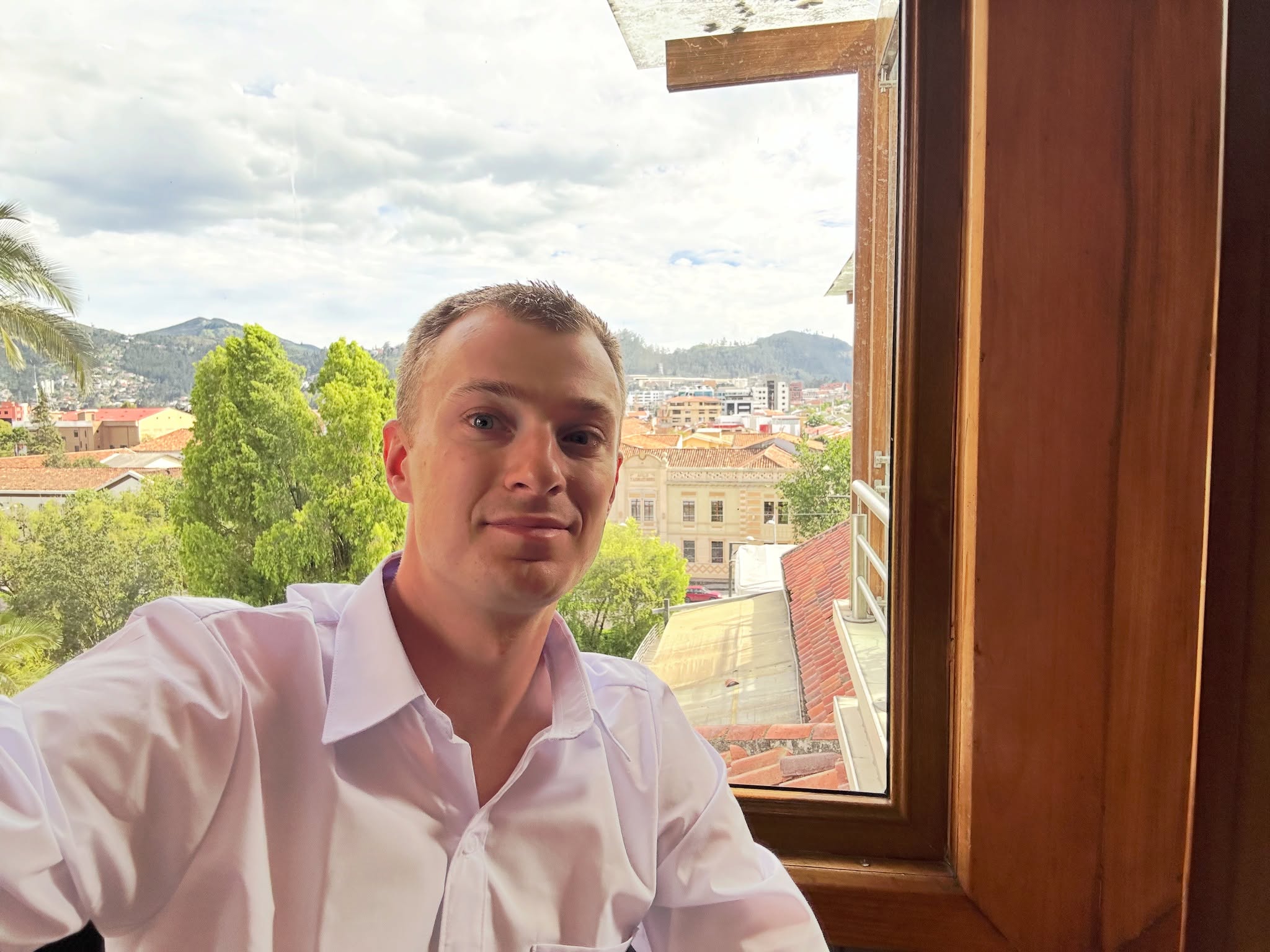
About the Author
Chip Moreno — American Expat in Cuenca, Ecuador
Chip is the founder of EcuaPass (Ecuador visa services), FileAbroad (U.S. taxes for expats), EcuaInsure (health insurance), EcuadorTranslations, and CuencaExpat (daily news). He holds a B.S. in Computer Science from WGU, obtained his Ecuador Professional Visa in 2025, and is pursuing the IRS Enrolled Agent credential and an Ecuadorian insurance broker license.