How to Repatriate Remains from Ecuador: A Step-by-Step Legal Guide for Expats
Navigating the repatriation of remains from Ecuador for expats? This comprehensive legal guide details the process, required documents, key authorities like Reg
Navigating the Repatriation of Remains from Ecuador: A Comprehensive Legal Guide for Expats
The passing of a loved one is an emotionally devastating experience. For expats residing in Ecuador, the logistical and legal complexities surrounding the repatriation of remains can add an immense burden during an already difficult time. As an expert in Ecuadorian administrative and health law, this guide aims to demystify the process, providing a clear, step-by-step approach grounded in current Ecuadorian law and best practices, ensuring a respectful and legally compliant journey for your departed loved one.
The repatriation of human remains from Ecuador involves a series of precise legal procedures, primarily governed by the Ministry of Public Health (Ministerio de Salud Pública – MSP), its regulatory agency ARCSA, the Civil Registry (Registro Civil), and international air transport regulations. While seemingly straightforward, delays and complications often arise from a lack of understanding of these specific requirements. Our goal is to equip you with the knowledge to navigate these waters with confidence.
Understanding the Core Legal Framework
Several key pieces of legislation and regulations underpin this process. A working knowledge of these is crucial for you and any representative you appoint.
- Ley Orgánica de Salud: This is the foundational law governing public health, including the handling and transportation of human remains to prevent public health risks.
- Ley Orgánica de Gestión de la Identidad y Datos Civiles: This modern law governs the official documentation of vital records, including the issuance of death certificates. Artículo 68 specifically mandates that a death must be registered within 48 hours of its occurrence.
- Acuerdo Ministerial Nro. 00001-2019 (and subsequent reforms): This specific ministerial agreement details the regulations for the management of corpses and human remains, including the technical requirements for embalming and international transport. It is issued by the MSP.
- Regulations from ARCSA: The Agencia Nacional de Regulación, Control y Vigilancia Sanitaria is the technical body that issues the final health permits for transport.
The primary authorities you will interact with are the Registro Civil for the official death certificate and ARCSA (acting on behalf of the MSP) for the crucial health and transport permits.
The Step-by-Step Repatriation Process
Navigating this process requires meticulous attention to detail and prompt action. Here’s a breakdown of the essential steps:
Step 1: Immediate Notification and Medical Certification
- Pronouncement of Death: If the death occurs in a hospital, the medical staff will handle the pronouncement. If it occurs at home under expected circumstances (e.g., terminal illness), your family doctor can make the pronouncement. For any unexpected or suspicious death, you must immediately call 911; the Fiscalía (Prosecutor's Office) and National Police will become involved, and a judicial-ordered autopsy will be required under the Código Orgánico Integral Penal (COIP), which will significantly alter the timeline.
- Medical Death Certificate (Formulario de Defunción General): A licensed physician must complete the official "Formulario de Defunción General," an electronic form generated through the national statistics bureau (INEC). This document is the legal prerequisite for obtaining the official death certificate from the Registro Civil.
Step 2: Obtaining the Official Death Certificate (Acta de Defunción)
- Registering at the Registro Civil: Within the 48-hour legal window, the death must be registered at any Registro Civil office. You or your designated funeral home representative will present the INEC form.
- Required Documents:
- The INEC "Formulario de Defunción General".
- Original Cédula or passport of the deceased.
- Original Cédula or passport of the person registering the death (the declarante).
- Authorization letter (carta de autorización), if a third party like a funeral home is handling the registration.
Expert Tip for Expats in Cuenca: The main Registro Civil office is on Avenida Remigio Crespo. A common mistake is requesting only one or two certified copies (copias certificadas) of the Acta de Defunción. You will need multiple originals for the consulate, airline, ARCSA, and personal records. To avoid return trips and bureaucratic delays, request 5-7 certified copies upfront. The current approximate cost is $6.00 per certified copy. Ensure all names and passport numbers are spelled exactly as they appear on official documents.
Step 3: Engaging a Funeral Home and Preparing for Transport
- Engage a Reputable Funeral Home (Funeraria): It is critical to select a funeral home with proven experience in international repatriations. They are your logistical partner and will manage the embalming, casket preparation, and coordination with government agencies.
- Embalming and Certificate: International repatriation requires a specific embalming process to preserve the remains for transit. The funeral home will provide a Certificate of Embalming, which attests that the procedure was performed to international standards.
- Specialized Casket: International air cargo regulations mandate that the remains be placed in a hermetically sealed container, typically a zinc-lined inner casket placed within an outer shipping crate. The funeral home will provide this.
Step 4: Securing Health and Transit Permits
This step is handled by your funeral home but requires documents from you.
- Consular Mortuary Certificate: Contact the embassy or consulate of the destination country. They will issue a Consular Mortuary Certificate (or equivalent document) authorizing the entry of the remains into their country. They will provide a specific list of required documents, which always includes the apostilled Acta de Defunción.
- Permiso Sanitario para el Traslado Internacional de Cadáveres: This is the single most important travel document for the remains. Your funeral home will apply for this permit from ARCSA. The application requires the apostilled death certificate, the embalming certificate, the consular certificate, and information about the transit itinerary. This permit confirms the death was not due to a disease that poses a public health risk.
Step 5: Document Legalization and Translation
- Apostille: For countries party to the Hague Apostille Convention (including the U.S., Canada, and most of Europe), the Ecuadorian Death Certificate must be apostilled. This is done at the Ministerio de Relaciones Exteriores y Movilidad Humana (often called the Cancillería). Your lawyer or funeral home can handle this. The current approximate cost is $30 per document.
- Official Translations: If the destination country's official language is not Spanish, you will need a certified translation of the Death Certificate and other key documents. This cannot be any translation. It must be performed by a sworn translator (traductor perito/jurado) recognized by the Ecuadorian Judiciary Council. Failing to use an official translator is a frequent cause for document rejection abroad.
Step 6: Coordination with the Airline
Your funeral home will manage this crucial step. They will book the remains as special cargo, provide the airline with all required permits and documentation, and arrange for the secure transport of the casket to the airport's cargo terminal. Ensure they confirm the specific requirements of the receiving airport as well.
Common Expat Pitfalls to Avoid
- Death Registration Delays: Failing to register the death within the 48-hour window stipulated by Artículo 68 can create legal complications requiring a judicial order.
- DIY Document Handling: Attempting to navigate ARCSA, the Cancillería, and the Registro Civil without an experienced representative can lead to critical errors and delays.
- Using Unofficial Translators: Submitting a non-certified translation will result in rejection by the destination country's authorities.
- Budgeting Inaccurately: Repatriation is expensive. Costs include the funeral home services (~$2,500-$5,000+), air cargo fees (highly variable, can be $3,000-$10,000+ depending on destination and weight), and administrative/legal fees ($500+).
⚠️ Legal Alert: When to Stop and Consult an Attorney
This process, while outlined here, can become significantly more complex. You should immediately seek legal counsel if:
- The death is the subject of a criminal investigation (instrucción fiscal): The release of the remains will be controlled by the prosecutor and judge.
- There is a dispute among family members: If heirs disagree on repatriation vs. local burial, legal intervention is required to determine who holds the legal right to decide.
- The deceased's immigration status was irregular: This can complicate the identification and issuance of documents.
- You are not a direct next-of-kin: If you are an executor or friend, you will need a legally robust Power of Attorney (Poder Especial) to act on behalf of the family.
Conclusion
Repatriating a loved one's remains from Ecuador is a solemn duty that requires careful navigation of a precise legal and administrative path. By understanding the core legal framework, following the step-by-step process, and engaging experienced professionals, you can ensure this final journey is handled with dignity, respect, and full legal compliance. While this guide provides a detailed road map, the emotional toll of bereavement can make these steps overwhelming. Do not hesitate to delegate these tasks to qualified legal and logistical experts.
Ready to discuss your specific needs or have questions about a particular situation?
Schedule your free, no-obligation consultation with our legal team today.
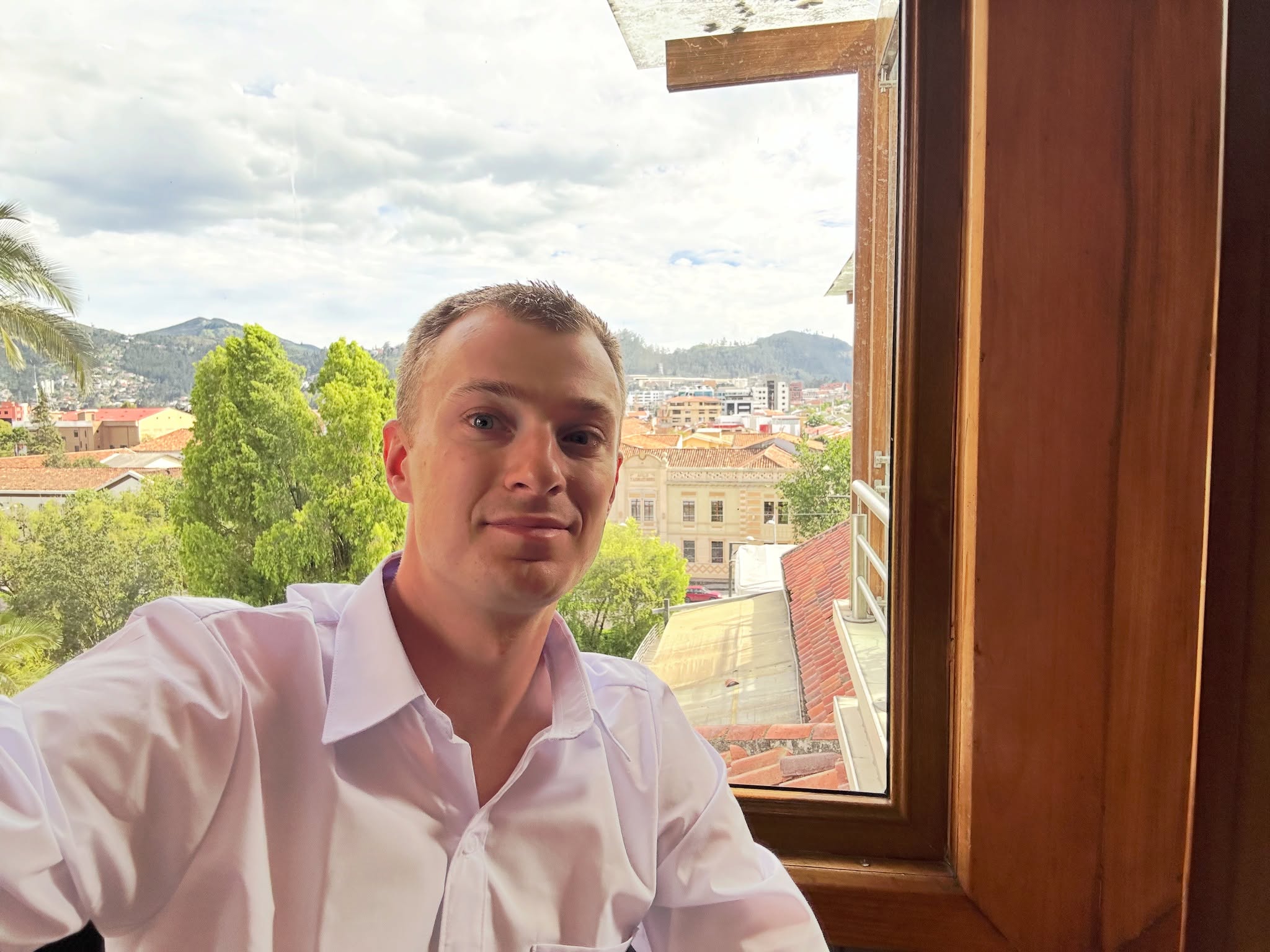
About the Author
Chip Moreno — American Expat in Cuenca, Ecuador
Chip is the founder of EcuaPass (Ecuador visa services), FileAbroad (U.S. taxes for expats), EcuaInsure (health insurance), EcuadorTranslations, and CuencaExpat (daily news). He holds a B.S. in Computer Science from WGU, obtained his Ecuador Professional Visa in 2025, and is pursuing the IRS Enrolled Agent credential and an Ecuadorian insurance broker license.