What Happens When an Expat Dies Without a Will in Ecuador? A Legal Guide
Understand Ecuador's intestate succession laws. Learn the judicial process, heir hierarchy, asset distribution, and common pitfalls for expats dying without a w
Navigating the Unforeseen: What Happens When an Expat Dies Without a Will in Ecuador?
The dream of retiring in Ecuador often conjures images of tranquil sunsets over the Cajas, vibrant markets in Cuenca, and a life of tranquil simplicity. However, as an Ecuadorian lawyer specializing in inheritance and real estate law, I frequently assist expat families confronting a crucial, yet often overlooked, aspect of life abroad: estate planning. The passing of a loved one is difficult enough without the added stress of a complex legal battle in a foreign system.
This article addresses the critical scenario of what happens when a foreign national dies in Ecuador without a valid will—a situation known as succession ab intestato or "intestacy." This process is not a simple administrative formality; it is a formal judicial proceeding that, for the unprepared, can be a labyrinth of legal requirements, unexpected costs, and frustrating delays. My goal is to demystify this process, offering clear, actionable guidance grounded in Ecuadorian law and highlighting specific pitfalls that only experience reveals.
Understanding Intestacy in Ecuador: The Legal Framework
When a person dies without a will, Ecuadorian law provides a strict, non-negotiable hierarchy for the distribution of their assets. The primary guiding legislation is the Código Civil Ecuatoriano (Ecuadorian Civil Code), specifically its articles governing succession. The law unequivocally prioritizes direct blood relatives.
The Order of Succession (Artículo 1023 of the Civil Code):
- Descendants: Children inherit first. The estate is divided into equal shares among them. This includes children born both inside and outside of marriage, provided they are legally recognized.
- Ascendants and Surviving Spouse/Partner: If there are no children, the estate is divided between the deceased’s parents (or grandparents, if parents are deceased) and the surviving spouse or legally registered unión de hecho partner.
- Spouse or Partner (alone): If there are no descendants or ascendants, the surviving spouse or registered partner inherits the entire estate.
- Siblings: If there are no heirs from the previous categories, the estate passes to the deceased's brothers and sisters.
- Nephews and Nieces: If siblings are deceased, their children (the deceased's nephews/nieces) can inherit.
- The State: In the rare case that no legal heirs can be found up to the fourth degree of consanguinity, the assets revert to the Ecuadorian State.
A Critical Detail on Spousal Inheritance: If the deceased leaves behind both children and a spouse, the spouse does not inherit as a direct heir in the same way as the children. Instead, the spouse is entitled to a portion known as the porción conyugal, which is calculated to be equal to the share of one child. This is a common point of confusion.
Crucial Distinction: Assets in Ecuador vs. Assets Abroad
It is vital to understand that an Ecuadorian court's jurisdiction is limited to assets located within Ecuador. Real estate, vehicles, bank accounts, and investments held in Ecuador fall under the Civil Code. Assets located in the expat's home country will be subject to the inheritance laws of that jurisdiction. This bifurcation often necessitates parallel, and costly, legal proceedings in multiple countries.
The Intestate Succession Process: A Judicial Requirement
When an expat dies intestate, the heirs cannot simply take possession of the assets. They must initiate a formal judicial process, the "demanda de apertura de la sucesión intestada," before a judge.
The Competent Authority: The "Juez de la Unidad Judicial de Familia, Mujer, Niñez y Adolescencia"
The proceedings are managed by the Family, Women, Children, and Adolescents Judicial Unit in the canton where the deceased was last domiciled. For an expat living in Cuenca, the case would be filed in the Azuay provincial court system.
Key Stages of the Process:
-
Filing the Lawsuit (Demanda):
- One or more of the presumptive heirs must hire an Ecuadorian lawyer to file a formal petition with the judge.
- This initial filing must include essential documents: the official death certificate (Inscripción de Defunción from the Registro Civil), and apostilled, officially translated proof of kinship (birth certificates, marriage certificates, etc.). This step is often where the first delays occur, as obtaining apostilled documents from abroad can take months.
-
Public Notice (Publicación por la Prensa):
- The judge will order a public notice to be published three times in a newspaper of wide circulation in the canton (for example, El Mercurio in Cuenca). This serves to inform the public and any other potential heirs of the succession process, giving them a legal window to present their claims.
-
Inventory and Appraisal (Juicio de Inventario):
- A formal inventory and appraisal of all Ecuadorian assets must be conducted. This is often a separate but connected legal action within the main succession process. It involves a court-appointed expert (perito) who values all real estate, vehicles, bank accounts, and other significant property.
-
Declaration of Heirs (Sentencia de Declaratoria de Herederos):
- After reviewing all evidence and waiting for the legally mandated period for claims, the judge issues a formal ruling (sentencia) that officially declares who the legal heirs are and what their respective shares of the estate are, according to the Civil Code.
-
Partition and Adjudication (Partición y Adjudicación):
- This is the final and often most contentious stage. The heirs must agree on how to divide the assets. If an agreement cannot be reached (e.g., who gets the house), the judge can order the public auction of the assets, with the cash proceeds being distributed.
-
Inheritance Tax Declaration and Payment:
- Before any property titles can be transferred, heirs must file an inheritance tax declaration with Ecuador's tax authority, the Servicio de Rentas Internas (SRI). This is done using Formulario 108.
- Hyper-Specific Detail: For 2024, the tax-exempt portion of an inheritance is $79,300 per heir. Inheritances below this amount do not pay tax, but filing Formulario 108 is still mandatory to receive the "Certificado de Declaración de Impuesto a la Herencia" needed for property registration.
Common (and Costly) Expat Pitfalls
The complexities of the system create numerous traps for the unwary. Here are pitfalls I see regularly in my practice:
- The Unregistered Unión de Hecho: Ecuador legally recognizes de facto unions, but they must be formally registered at the Registro Civil to grant inheritance rights. Many expat couples live together for years assuming their relationship is automatically protected. It is not. Without registration, a surviving partner has no automatic right to inherit in an intestate succession and faces a difficult, separate legal battle to prove the union's existence.
- The "Posesión Efectiva" Trap: A common, non-obvious mistake is confusing the full judicial succession with a simpler notarial process called Posesión Efectiva. This administrative procedure is only valid when all heirs are in unanimous agreement, there are no minors involved, and the asset distribution is straightforward. Many attempt this shortcut only to find it legally insufficient for transferring real estate titles or accessing significant bank funds, forcing them to start the proper judicial process from scratch, wasting time and money.
- Underestimating Bureaucratic Costs & Delays: Beyond lawyer's fees, the small costs add up. Each official certificate from the Registro Civil costs approximately $6-$8. The real expense comes from getting foreign documents apostilled, shipped, and officially translated in Ecuador, which can easily exceed $1,000 and cause months of delay.
- Language and Procedural Barriers: The entire process is conducted in Spanish, with specific legal filings and deadlines. A non-Spanish-speaking family attempting to navigate this without experienced counsel is at an immense disadvantage.
Legal Checklist for Cuenca Expats Navigating Intestacy
If you are facing this situation, act methodically. While professional legal advice is non-negotiable, this checklist can help you prepare.
- Obtain the Official Death Certificate: Secure multiple original copies of the Inscripción de Defunción from the nearest Registro Civil office.
- Gather Proof of Kinship: Immediately begin the process of obtaining legally apostilled birth and marriage certificates from the heirs' home countries.
- Inventory All Ecuadorian Assets: Compile a list of all known properties, bank accounts, vehicles, and investments. For real estate, obtain a "Certificado de Gravámenes" from the local Registro de la Propiedad to confirm ownership and check for liens.
- Locate Identification Documents: Gather the deceased's cédula (if they had one) and passport.
- Do Not Move or Distribute Assets: Do not attempt to withdraw funds, sell property, or give away personal items. Doing so can create serious legal complications.
- Engage an Experienced Ecuadorian Lawyer Immediately: Your first call should be to an attorney who specializes in succession law (derecho de sucesiones).
⚠️ Legal Alert: When to Stop and Consult an Attorney
This is not a do-it-yourself project. You must cease any attempt to manage or distribute assets and immediately consult a qualified Ecuadorian attorney if:
- An expat has passed away without a will. (This alone is sufficient reason).
- There is any disagreement, however minor, among potential heirs.
- The deceased owned real estate or had a business in Ecuador.
- The deceased was in a de facto union (unión de hecho), registered or not.
- There are minor children who may be heirs.
- You do not have legally apostilled and translated documents proving your kinship.
Attempting to navigate this process alone is a surefire path to costly errors, legal disputes, and the potential for assets to be frozen by the court for years.
The Superior Alternative: Proactive Estate Planning
This article underscores the profound importance of proactive estate planning. Drafting an Ecuadorian testamento (will) is the single most effective way to protect your loved ones from this process.
- Specify Your Wishes: A will bypasses the rigid intestate succession rules, allowing you to dictate who inherits your assets.
- Understand Forced Heirship: Be aware that Ecuadorian law enforces "legítima," meaning you cannot completely disinherit your legal children or spouse. However, a will allows you to freely distribute a portion of your estate known as the "cuarta de libre disposición" (the quarter of free disposal) to anyone you choose—a friend, a charity, or a specific heir.
- Choose the Right Will: The most common and secure option for expats is the "testamento abierto" (open will), which is executed before a Notary and three witnesses, ensuring it is legally sound and publicly recorded.
Moving Forward with Clarity and Confidence
The death of a loved one is a profound loss. Navigating a foreign legal system should not compound the grief. By understanding the intestate framework, anticipating the procedural steps, and recognizing the potential pitfalls, you can approach this challenge with greater clarity. An experienced legal guide can manage the complexities of the Ecuadorian courts, ensuring the process is handled with dignity, efficiency, and full compliance with the law.
Ready to secure your legacy with a properly executed Ecuadorian will, or need urgent guidance on an existing estate matter? Schedule your initial consultation today to ensure your peace of mind and protect your family's future.
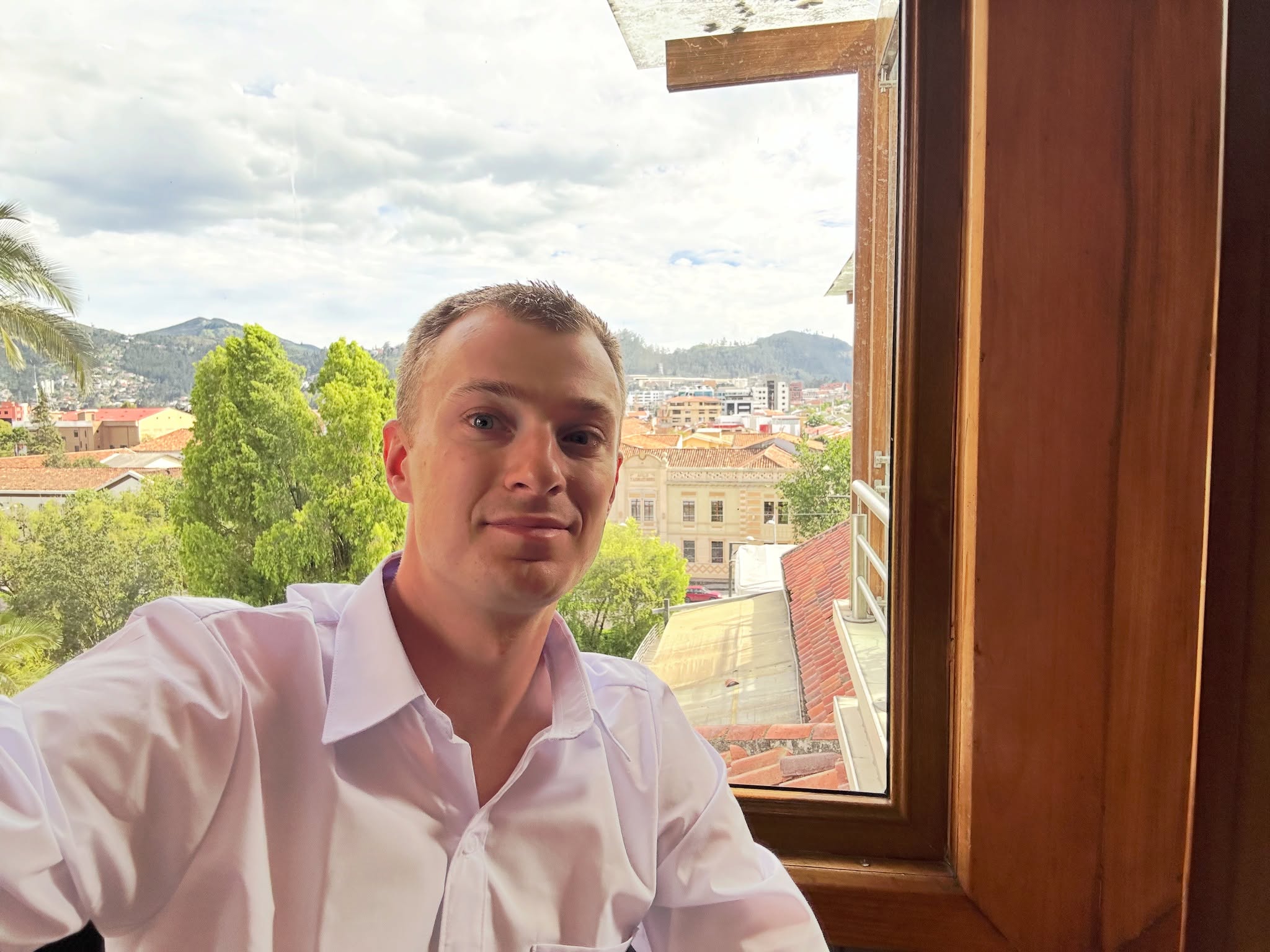
About the Author
Chip Moreno — American Expat in Cuenca, Ecuador
Chip is the founder of EcuaPass (Ecuador visa services), FileAbroad (U.S. taxes for expats), EcuaInsure (health insurance), EcuadorTranslations, and CuencaExpat (daily news). He holds a B.S. in Computer Science from WGU, obtained his Ecuador Professional Visa in 2025, and is pursuing the IRS Enrolled Agent credential and an Ecuadorian insurance broker license.